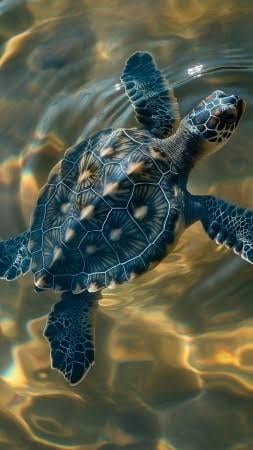
During winter hibernation, some turtles can take in oxygen directly from the water through a process called cloacal respiration, breathing through their rear.
As the winter months approach, many of us are bundling up and preparing for the cold weather, but have you ever stopped to think about how some of our scaly friends are coping with the chill? I’m talking about turtles, specifically, and their amazing ability to survive the harsh winter conditions. It’s a little-known fact that during winter hibernation, some turtles can take in oxygen directly from the water through a process called cloacal respiration, breathing through their rear. Yes, you read that right – these incredible creatures can extract oxygen from the water using a very unique and specialized system.
The Science Behind Cloacal Respiration
Cloacal respiration is a complex process that allows turtles to absorb oxygen from the water, which is then transferred into their bloodstream. This is made possible by a pair of highly vascularized papillae, located in the cloaca, which is a multi-purpose opening used for reproduction, digestion, and excretion. As the turtle absorbs oxygen from the water, it also releases carbon dioxide, allowing it to maintain a stable balance of gases in its body. This process is especially important during winter hibernation, when turtles are unable to surface for air and must rely on alternative methods to breathe.
How Turtles Adapt to Winter Conditions
As the water temperature drops, turtles will often burrow into the sediment at the bottom of a pond or lake, where the water is colder and more oxygen-poor. In these conditions, cloacal respiration becomes a vital survival mechanism, allowing the turtle to extract oxygen from the water even when it’s scarce. Some species of turtles, such as the painted turtle and the snapping turtle, are well adapted to this process and can survive for months without surfacing for air. It’s an incredible example of evolutionary adaptation, and a testament to the remarkable resilience of these amazing creatures.
The Importance of Conservation Efforts
Unfortunately, many turtle species are facing threats to their survival, including habitat destruction, pollution, and climate change. As we learn more about the incredible abilities of these creatures, it’s essential that we also take steps to protect and conserve their habitats. By preserving the natural environments where turtles live and thrive, we can help ensure the long-term survival of these incredible animals and the unique adaptations that have allowed them to flourish for millions of years.
As I delve deeper into the fascinating world of turtles and their remarkable ability to breathe through their rear, I’m struck by the incredible diversity and complexity of life on our planet. From the frozen tundras to the deepest oceans, there are countless examples of animals adapting to their environments in remarkable ways, and it’s a reminder of the importance of preserving and protecting the natural world for future generations. So next time you’re out for a winter walk, take a moment to appreciate the incredible creatures that are thriving in the cold, dark waters beneath your feet – they might just be breathing through their rear.