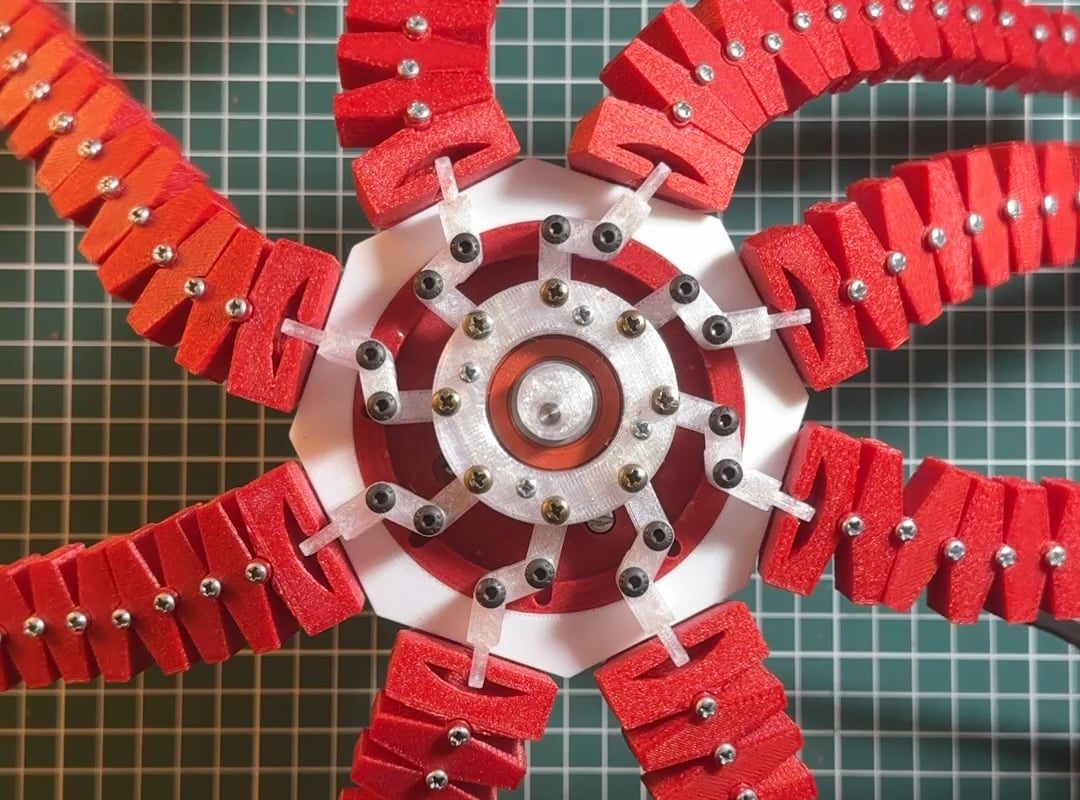
Experimenting with kinetic art
Have you ever walked into a room and been immediately captivated by a mesmerizing display of moving shapes and colors? Maybe it was a mobile sculpture hanging from the ceiling, or a digital installation that seemed to pulse with an energy all its own. If so, you’ve likely experienced the magic of kinetic art, a fascinating medium that combines movement, technology, and creativity to create truly unique and captivating experiences. From its early beginnings in the 20th century to the modern-day innovations that are pushing the boundaries of what’s possible, kinetic art is a world that’s full of wonder and discovery, and one that’s just waiting to be explored.
The Early Days of Kinetic Art
Kinetic art has its roots in the early 20th century, when artists like Naum Gabo and Marcel Duchamp began experimenting with movement and technology in their work. These pioneers of kinetic art were drawn to the possibilities of creating dynamic, interactive experiences that challenged traditional notions of what art could be. Using materials like metal, wood, and even light, they crafted intricate mobiles and sculptures that seemed to come alive in the presence of the viewer. As the years passed, kinetic art continued to evolve, incorporating new technologies and mediums into the mix. The 1960s, in particular, were a heyday for kinetic art, with artists like Jesus Rafael Soto and Carlos Cruz-Diez creating large-scale installations that wowed audiences with their complexity and beauty.
The Science Behind Kinetic Art
So, what makes kinetic art so mesmerizing? The answer lies in the way our brains process movement and pattern. When we see a kinetic sculpture or installation in action, our eyes are drawn to the movement, and our brains start to try and make sense of what we’re seeing. This can create a sense of tension and release, as our minds struggle to keep up with the constantly shifting patterns and shapes. At the same time, the movement and color of kinetic art can also be deeply soothing, creating a sense of calm and tranquility that’s hard to find in our increasingly fast-paced world. Whether it’s the gentle sway of a mobile or the frenetic pulse of a digital installation, kinetic art has a way of tapping into our deep-seated love of movement and pattern, and creating experiences that are both captivating and unforgettable.
Modern Kinetic Art
Today, kinetic art is more vibrant and diverse than ever, with artists around the world pushing the boundaries of what’s possible with movement, technology, and creativity. From the intricate, algorithmically-generated patterns of digital art to the large-scale, mechanically-driven sculptures that are popping up in public spaces everywhere, kinetic art is a medium that’s constantly evolving and adapting to new technologies and ideas. Whether you’re an artist, a scientist, or simply someone who loves to be amazed and inspired, kinetic art is a world that’s full of wonder and discovery, and one that’s just waiting to be explored. So why not take a journey into the fascinating world of kinetic art, and see where it takes you?
As we continue to explore the fascinating world of kinetic art, it’s clear that this medium is capable of inspiring and captivating us in ways that few other art forms can. Whether it’s the beauty of a perfectly crafted mobile, the complexity of a large-scale digital installation, or the sheer wonder of a mechanically-driven sculpture, kinetic art has a way of tapping into our deep-seated love of movement and pattern, and creating experiences that are both unforgettable and sublime. So next time you’re out and about, keep an eye out for the kinetic art that’s all around us – you never know what amazing things you might discover.