In 1992, Pepsi accidentally declared over 800,000 people winners of its top prize in the Philippines. When the company refused to pay due to a printing error, the backlash escalated into riots.
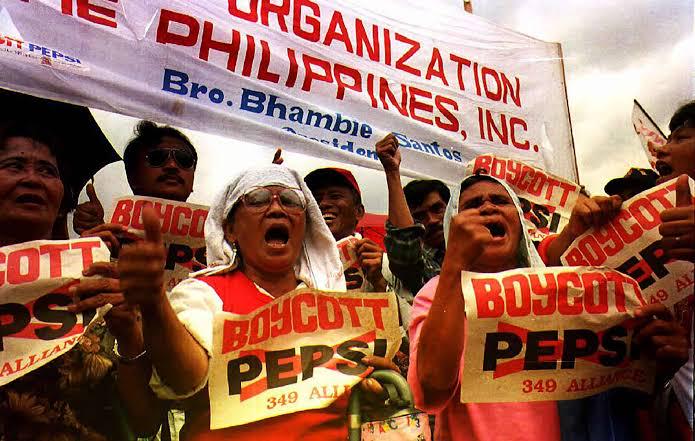
Imagine waking up one morning to find out you’re a winner – a big winner. You’re talking life-changing, dream-come-true, can’t-believe-your-luck kind of winner. That’s exactly what happened to over 800,000 people in the Philippines back in 1992, when Pepsi announced them as winners of its top prize. But, as it often does, pride came before a fall. The celebration was short-lived, as the reality of the situation soon set in. It turned out that the win was a mistake, a printing error that Pepsi claimed it couldn’t honor. The news didn’t go down well, and before long, the streets were filled with angry protesters, all demanding what they believed was rightfully theirs.
The Great Pepsi Fiasco
The story begins with a promotional campaign launched by Pepsi in the Philippines, where customers could win cash prizes by collecting bottle caps with winning numbers. The grand prize was a whopping 1 million pesos, a small fortune in the country at the time. However, due to a printing error, hundreds of thousands of bottle caps were printed with the winning number 349, declaring all those who collected them winners of the top prize. At first, Pepsi tried to downplay the situation, but as the number of winners grew, it became clear that something was amiss. The company eventually came clean, admitting the mistake and refusing to pay out the winnings. But it was too late, the damage was done, and the public was outraged.
Riots and Backlash
The backlash against Pepsi was immediate and intense. Protesters took to the streets, smashing bottles and burning the company’s logo. The situation quickly escalated into riots, with angry mobs clashing with police and security forces. The Philippines government was forced to intervene, calling in troops to restore order. The incident became a national scandal, with many calling for Pepsi to take responsibility for its mistake. The company eventually offered a consolation prize of 500 pesos to each of the affected winners, but it was too little, too late. The damage to Pepsi’s reputation had already been done, and it would take years for the company to recover from the fallout.
Lessons Learned
The Pepsi fiasco in the Philippines serves as a cautionary tale about the importance of attention to detail and taking responsibility for one’s mistakes. The incident highlights the dangers of underestimating the power of public opinion and the importance of maintaining a positive brand image. In the end, Pepsi’s refusal to honor the winnings may have saved the company millions of dollars, but it cost them something far more valuable – the trust and loyalty of their customers. As for the winners, they were left with nothing but a bitter taste and a lesson in the importance of reading the fine print.
In the end, the Pepsi incident in the Philippines remains a fascinating example of how a simple mistake can escalate into a full-blown crisis. It’s a reminder that even the biggest companies can make errors, but it’s how they respond to those mistakes that truly matters. As we look back on this bizarre incident, we’re left to wonder what could have been done differently and how Pepsi could have avoided the chaos that ensued. One thing is for sure, though – it’s a story that will continue to captivate and intrigue us for years to come, a reminder of the unpredictable nature of human behavior and the importance of getting it right, every time.