Invisible mending
Invisible mending is a fascinating art form that has been around for centuries, with a rich history that spans across cultures and continents. The idea of seamlessly repairing damaged fabrics, restoring them to their original state, is nothing short of magical. Imagine being able to revive a treasured family heirloom, a vintage dress, or a favorite pair of jeans, making them look like new again. This ancient craft has been perfected over time, with skilled artisans using specialized techniques to weave, stitch, and patch fabrics, making the repairs virtually undetectable. As someone who loves history, craftsmanship, and a good story, I was intrigued by the world of invisible mending and decided to dive deeper into its fascinating backstory.
The Art of Restoration
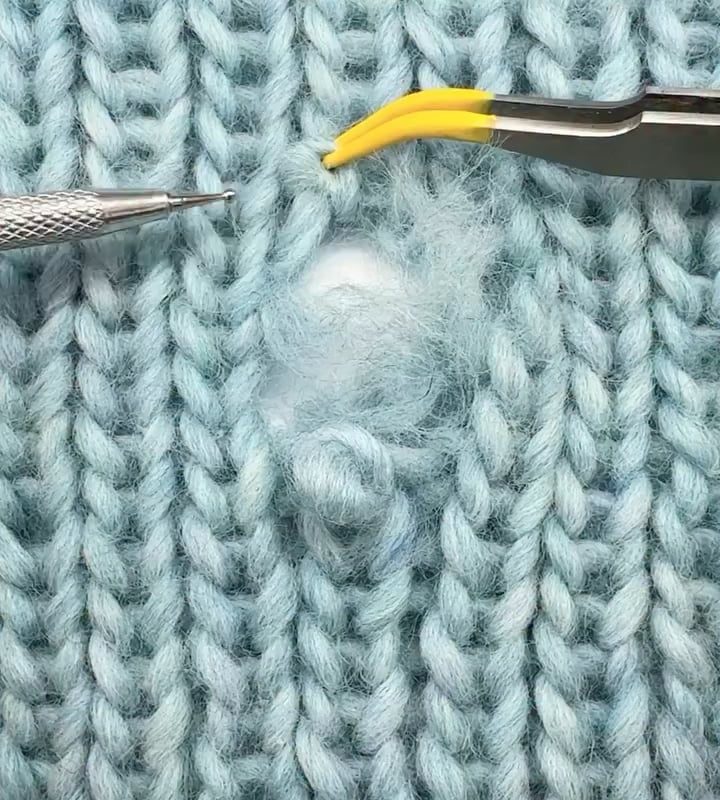
Invisible mending is not just about fixing tears and holes; it’s an art form that requires patience, skill, and attention to detail. Skilled artisans use a range of techniques, including hand-weaving, embroidery, and patching, to restore damaged fabrics to their original state. The process is often painstaking, with each thread and stitch carefully matched to the original fabric, ensuring a seamless repair. The art of invisible mending has been passed down through generations, with many skilled artisans learning their trade through apprenticeships and years of practice. From delicate silk fabrics to sturdy denim, each type of fabric requires a unique approach, making invisible mending a true test of skill and craftsmanship.
A Brief History
The history of invisible mending dates back to ancient civilizations, where skilled artisans would repair and restore precious fabrics, often using intricate embroidery and weaving techniques. In Japan, the art of invisible mending is known as “sashiko,” which involves using a simple running stitch to repair and reinforce damaged fabrics. Similarly, in Europe, skilled artisans would use intricate embroidery and patching techniques to restore delicate fabrics, often using silk and other precious materials. The art of invisible mending has evolved over time, with new techniques and materials being developed, but the core principles remain the same – to restore damaged fabrics to their original state, using skill, patience, and attention to detail.
Modern Applications
Today, invisible mending is not just limited to restoring antique fabrics; it’s also used in modern fashion and textile conservation. Many fashion designers and brands are using invisible mending techniques to create sustainable and eco-friendly clothing, reducing waste and extending the life of garments. Additionally, textile conservators are using invisible mending techniques to restore and preserve historic fabrics, ensuring that they remain intact for future generations. With the rise of fast fashion and disposable clothing, the art of invisible mending is more relevant than ever, offering a sustainable and environmentally friendly alternative to the “take, make, dispose” approach that dominates the fashion industry.
As I delved deeper into the world of invisible mending, I was struck by the beauty and craftsmanship that goes into each repair. It’s a testament to the human desire to create, restore, and preserve, and a reminder that even the most damaged and worn-out fabrics can be revived and restored to their former glory. Whether you’re a fashion enthusiast, a history buff, or simply someone who appreciates the art of craftsmanship, invisible mending is a fascinating topic that offers a glimpse into a world of skill, patience, and dedication.