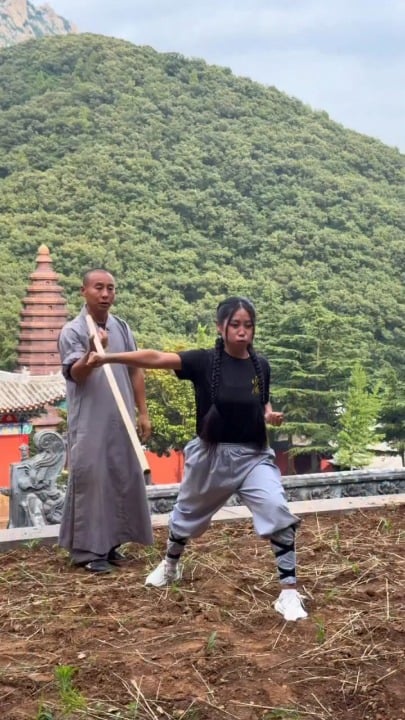
Kungfu training seems painful
I still remember watching my first kungfu movie as a kid – the swift kicks, the lightning-fast punches, and the seemingly impossible stunts left me in awe. But as I grew older, I began to wonder about the not-so-glamorous side of kungfu training. I mean, have you ever seen a kungfu practitioner in action? The grunts, the sweat, the bruises – it all looks so painful! Which got me thinking, is kungfu training really as painful as it seems? I decided to dig deeper and explore the fascinating world of kungfu, and what I found was truly eye-opening.
The History of Kungfu
Kungfu, which translates to “mastery through discipline and training,” has a rich history that spans over 2,000 years. It originated in ancient China, where it was practiced not only as a form of self-defense, but also as a way to cultivate physical, mental, and spiritual well-being. The early practitioners of kungfu were often monks, soldiers, and philosophers who sought to develop their skills through rigorous training and meditation. And yes, this training was often grueling and painful, pushing the practitioners to their limits and beyond. But the pain was not an end in itself – rather, it was a means to an end, a way to build strength, endurance, and character.
The Science of Kungfu
So, what exactly happens to our bodies when we engage in kungfu training? From a scientific perspective, kungfu involves a unique combination of aerobic and anaerobic exercises, which can lead to increased heart rates, blood pressure, and muscle fatigue. The intense physical activity can also cause micro-tears in our muscles, leading to inflammation and pain. However, this pain is not necessarily a bad thing – in fact, it’s a sign that our bodies are adapting and growing stronger. As we continue to train, our muscles learn to repair themselves, becoming more resilient and efficient over time. It’s a fascinating process that highlights the incredible adaptability of the human body.
Beyond the Pain
Despite the physical challenges, kungfu training offers a wide range of benefits that go beyond the physical realm. Practitioners often report improved mental clarity, reduced stress, and a greater sense of focus and discipline. The meditative aspects of kungfu, such as deep breathing and mindfulness, can also help to cultivate a sense of inner peace and calm. And let’s not forget the sense of community and camaraderie that comes with training alongside others – the shared struggles, the mutual support, and the collective sense of achievement. So, while kungfu training may be painful at times, it’s clear that the rewards far outweigh the costs.
As I conclude my exploration of kungfu training, I’m left with a newfound appreciation for the dedication, discipline, and perseverance of kungfu practitioners. While the physical aspects of kungfu may be challenging, the mental, emotional, and spiritual benefits are undeniable. And who knows – maybe one day I’ll lace up my own kungfu shoes and experience the transformative power of this ancient art for myself. Until then, I’ll continue to marvel at the skill, agility, and sheer determination of kungfu practitioners, and the incredible journey that they embark upon with each and every training session.