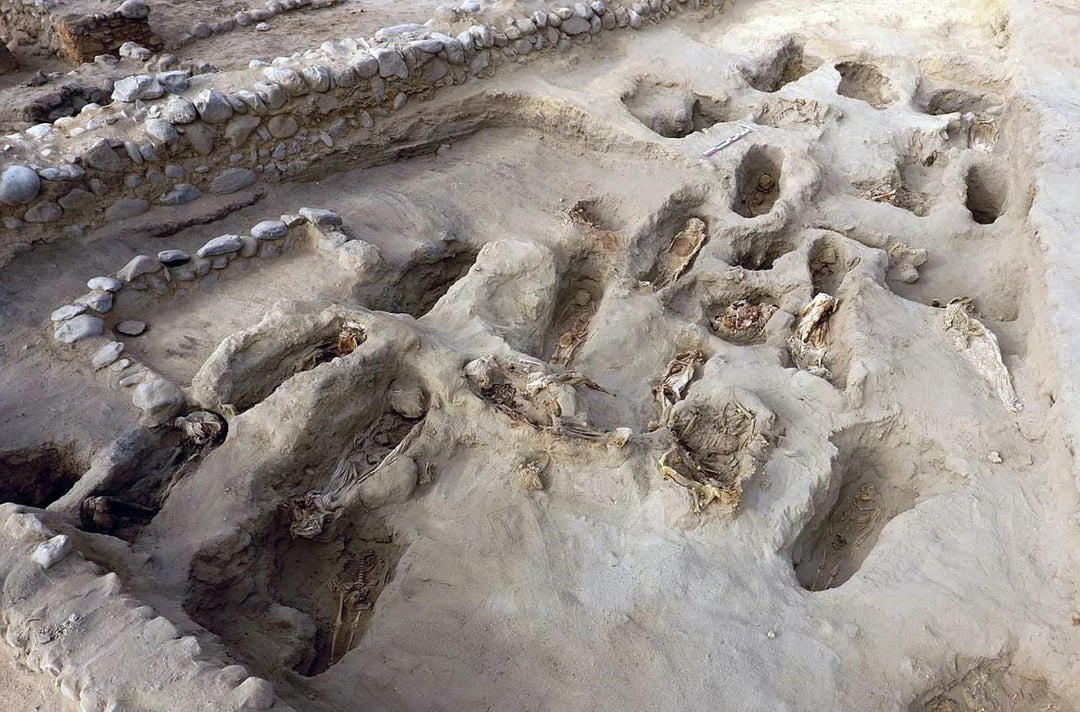
The largest archaeological discovery of pre-Columbian rituals in Peru. Over 250 youngsters were excavated from the ancient Chimú civilization, naturally preserved by the coastal desert alongside infant llamas.
Imagine stumbling upon a centuries-old secret, hidden deep within the coastal deserts of Peru. A discovery that would unravel the mysteries of a long-lost civilization, and leave us in awe of the rituals and traditions of our ancient ancestors. This is exactly what happened when archaeologists unearthed the largest archaeological discovery of pre-Columbian rituals in Peru, revealing a fascinating glimpse into the lives of the Chimú people. The excavation site, nestled in the heart of the desert, yielded an astonishing find – over 250 youngsters, naturally preserved by the harsh desert environment, alongside infant llamas. This incredible discovery has sent shockwaves through the archaeological community, and has left us wondering about the significance of this ritual and the story behind it.
The Ancient Chimú Civilization
The Chimú civilization, which flourished from around 900 to 1470 AD, was a complex and sophisticated society that thrived in the coastal regions of Peru. Known for their impressive metalwork, textiles, and ceramics, the Chimú people were a major power in the region, with a rich cultural heritage that continues to fascinate us today. The discovery of the youngsters and infant llamas has provided a unique window into the spiritual practices of this enigmatic civilization, and has raised important questions about the role of ritual sacrifice in their society. As we delve deeper into the story behind this discovery, we begin to uncover a complex and intriguing narrative that challenges our assumptions about the Chimú people and their way of life.
Unraveling the Mystery of the Ritual
So, what can we learn from this extraordinary discovery? The presence of infant llamas alongside the youngsters suggests that this ritual may have been linked to fertility and agricultural cycles. The Chimú people were skilled farmers, and their livelihood depended on the success of their crops. It’s possible that this ritual was a way of ensuring the fertility of the land, and the continued prosperity of their community. The fact that the youngsters were buried with such care and respect also suggests that they may have been considered sacred or privileged in some way, perhaps even seen as messengers to the gods. As we continue to study this remarkable find, we may uncover even more secrets about the Chimú people and their intricate spiritual practices.
A Glimpse into the Past
The discovery of the youngsters and infant llamas is not just a fascinating archaeological find – it’s also a poignant reminder of the lives and stories that have been lost to the sands of time. As we gaze upon the preserved remains of these ancient individuals, we are reminded of the countless generations that have come and gone, each leaving behind their own unique legacy. The Chimú civilization may be gone, but their story lives on through discoveries like this, inviting us to step into their world and experience the beauty, mystery, and wonder of a bygone era. As we continue to explore and learn from this incredible find, we are drawn into a captivating narrative that spans centuries, cultures, and continents – a narrative that reminds us of our shared human experience, and the enduring power of ritual and tradition to shape our lives and our understanding of the world.
As we reflect on this remarkable discovery, we are left with a sense of awe and wonder at the secrets that the past still holds. The story of the Chimú civilization and their mysterious ritual is a testament to the ingenuity, creativity, and spiritual depth of our ancient ancestors, and a reminder that there is always more to learn, more to discover, and more to marvel at in the fascinating world of archaeology.