Minor Phreatomagmatic Blast Rocks Taal Volcano in the Philippines Today
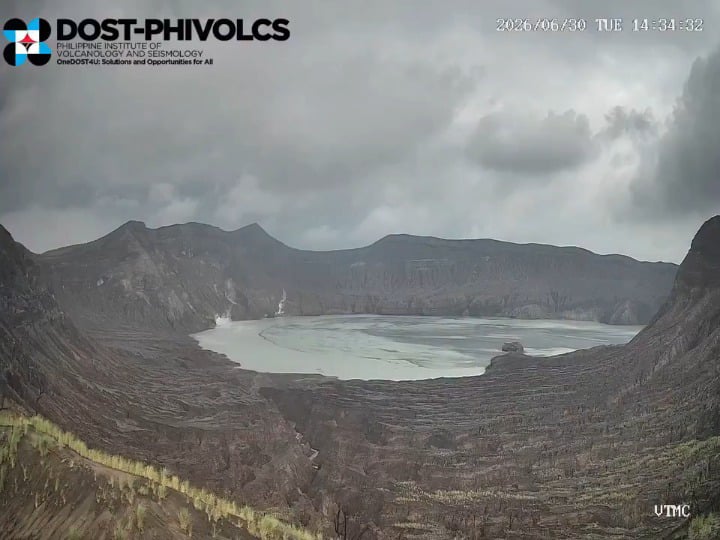
A sudden rumble shook the ground near Taal Volcano in the Philippines today, as a minor phreatomagmatic blast sent a plume of steam and ash into the air, captivating the attention of locals and volcano enthusiasts alike. This unexpected event has sparked a flurry of interest, with many wondering what exactly happened and what it might mean for the volcano’s future activity. As we delve into the fascinating world of volcanology, it’s clear that there’s more to this story than just a simple explosion – and it’s a tale that’s full of intriguing science and history.
The Science Behind Phreatomagmatic Blasts
So, what exactly is a phreatomagmatic blast? In simple terms, it’s a type of volcanic eruption that occurs when magma interacts with water, resulting in a violent explosion of steam and ash. This can happen when magma rises into a body of water, such as a lake or ocean, or when groundwater seeps into the volcanic system. The resulting blast can be incredibly powerful, shooting ash and debris high into the air and causing widespread damage. In the case of Taal Volcano, the blast is thought to have been triggered by the interaction of magma with the lake that fills the volcano’s crater – a scenario that’s both beautiful and terrifying to contemplate.
A Volcano with a Rich History
Taal Volcano has a long and storied history of eruptions, with records dating back to the 16th century. Located on the island of Luzon, the volcano is part of a larger volcanic field that’s home to numerous other volcanoes and volcanic features. Over the years, Taal has erupted numerous times, with some eruptions being relatively small and others being much larger and more destructive. One of the most notable eruptions occurred in 1911, when a massive phreatomagmatic blast killed over 1,300 people and destroyed entire towns. Today, the volcano is closely monitored by scientists, who are working to better understand its behavior and predict future eruptions.
What’s Next for Taal Volcano?
So, what does the future hold for Taal Volcano? While it’s impossible to predict with certainty, scientists are closely watching the volcano’s activity and looking for signs of increased unrest. The minor phreatomagmatic blast that occurred today may be a sign that the volcano is entering a new period of activity, or it may simply be a one-off event. Either way, it’s a reminder of the awe-inspiring power of volcanoes and the importance of continued monitoring and research. As we wait to see what happens next, one thing is clear: Taal Volcano is a force to be reckoned with, and its story is far from over.
As the dust settles and the ash cloud dissipates, the people of the Philippines and volcano enthusiasts around the world are left to ponder the significance of today’s event. While the minor phreatomagmatic blast may not have been a major eruption, it’s a powerful reminder of the natural wonders that shape our planet – and the importance of respecting and understanding the incredible forces that drive them. Whether you’re a seasoned volcanologist or just someone who’s fascinated by the natural world, the story of Taal Volcano is one that’s sure to captivate and inspire, with its rich history, stunning landscapes, and awe-inspiring displays of geological power.