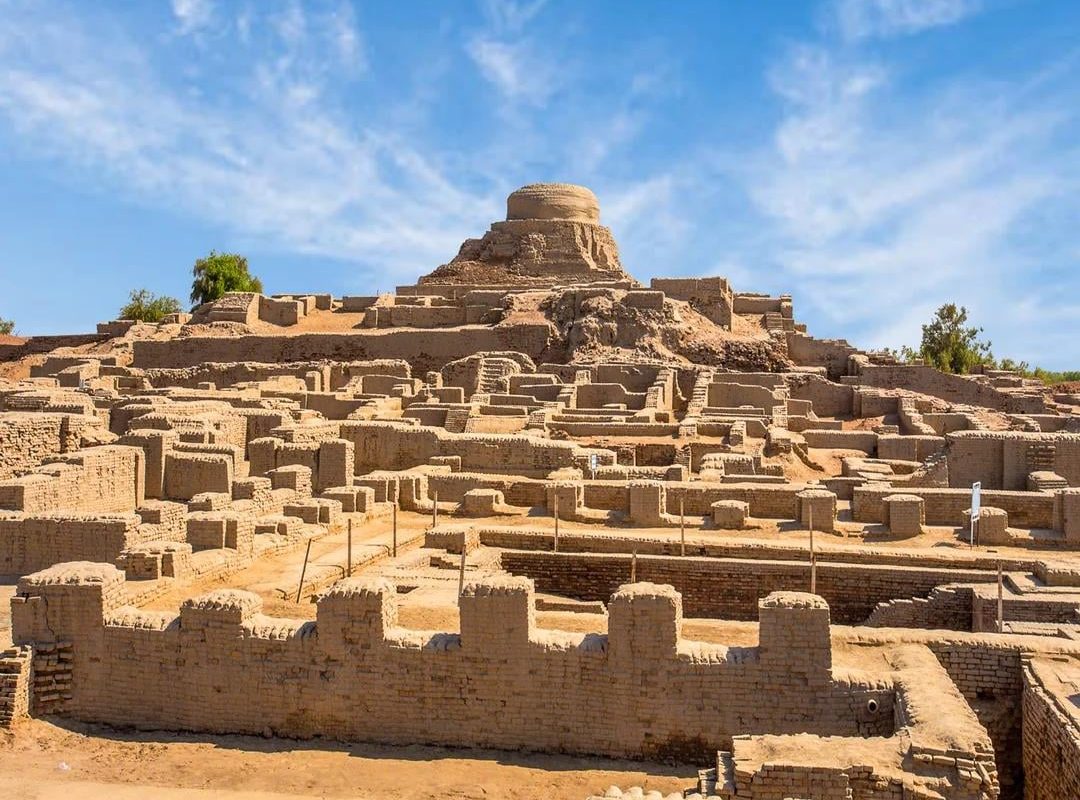
Mohenjo-Daro, established around 2500 BC. At its peak it might have been the largest and most populous city in the world. It featured indoor toilets, advanced sewage, trash bins, public baths, and intricate urban planning.
Imagine walking through the bustling streets of a city that’s over 4,500 years old, with towering buildings, advanced sewage systems, and public baths that would put some modern cities to shame. Welcome to Mohenjo-Daro, a metropolis that was once the epitome of urban planning and innovation. Established around 2500 BC, this ancient city was a marvel of its time, and its discovery has left archaeologists and historians in awe. At its peak, Mohenjo-Daro might have been the largest and most populous city in the world, a staggering thought considering the limited technology and resources available back then.
A City Ahead of Its Time
Mohenjo-Daro was a city that boasted some of the most advanced amenities of its time. The city’s sophisticated sewage system, which included clay pipes and public latrines, was a remarkable feat of engineering. The presence of indoor toilets, a luxury that many modern cities still can’t provide, is a testament to the city’s emphasis on hygiene and sanitation. The city’s planners also built public baths, which were not only a place for people to clean themselves but also a hub for social activity. The attention to detail and the emphasis on public health are a clear indication that the people of Mohenjo-Daro were a forward-thinking and innovative bunch.
Urban Planning and Architecture
The city’s architecture and urban planning are another fascinating aspect of Mohenjo-Daro. The city was built with a clear grid pattern, with wide streets and buildings that were constructed using sun-dried bricks. The city’s planners also built a sophisticated system of trash bins and waste management, which kept the city clean and free of disease. The presence of a large public square, which was likely used for social and cultural events, adds to the city’s charm and character. The fact that Mohenjo-Daro was able to support such a large population, estimated to be around 40,000 people, is a testament to the city’s advanced urban planning and architecture.
A Lost Civilization
Despite its many achievements, Mohenjo-Daro remains a bit of an enigma. The city was abandoned around 1900 BC, and its ruins lay hidden for centuries. It wasn’t until the 1920s that archaeologists stumbled upon the city, and since then, excavations have uncovered a treasure trove of artifacts and information. The city’s decline is still a topic of debate among historians and archaeologists, with some attributing it to climate change, while others point to invasions and wars. Whatever the reason, Mohenjo-Daro’s legacy lives on, inspiring wonder and awe in all who learn about it.
As we marvel at the achievements of Mohenjo-Daro, we’re reminded that even the most advanced civilizations can rise and fall. Yet, the city’s legacy continues to inspire us, and its innovative spirit is a testament to human ingenuity and creativity. As we continue to uncover the secrets of this ancient city, we’re forced to reevaluate our assumptions about the past and the people who came before us. Mohenjo-Daro may be a lost city, but its story is one that will continue to captivate and inspire us for generations to come.