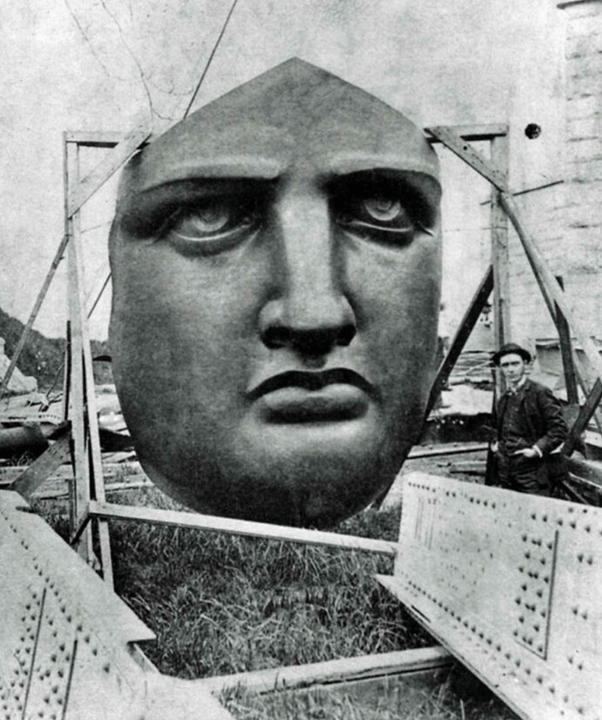
Unpacking the Statue of Liberty in 1885
The year was 1885, and the world was about to witness the unveiling of one of the most iconic landmarks in history – the Statue of Liberty. Can you imagine being in New York Harbor on a sunny day in June, watching as the massive copper sheets of Lady Liberty were carefully unpacked and assembled, piece by piece, to form the majestic monument we know and love today? It’s a fascinating story that’s full of intriguing details and surprising facts. As we delve into the history of the statue’s arrival in the United States, we begin to appreciate the sheer scale and complexity of this incredible project.
Conception and Construction
The Statue of Liberty was a gift from the people of France to the people of the United States, designed by French sculptor Frédéric Auguste Bartholdi and built by Gustave Eiffel. The statue’s internal framework was made of steel, while the exterior was covered in copper sheets that would eventually oxidize to form a beautiful green patina. The statue was constructed in France, disassembled, and then shipped to the United States, where it was reassembled on Bedloe’s Island, now known as Liberty Island. The entire process, from conception to completion, took nearly a decade and required the collaboration of some of the most brilliant engineers and artisans of the time.
Unpacking and Assembly
When the French ship Isere arrived in New York Harbor in June 1885, it carried over 350 individual pieces of the statue, including the copper sheets, steel framework, and granite pedestal. The unpacking and assembly process was a monumental task that required meticulous planning and execution. The pieces were carefully unloaded and transported to the island, where a team of skilled workers began the painstaking process of reassembling the statue. The process took several months to complete, with the statue finally being dedicated on October 28, 1886, in a ceremony presided over by President Grover Cleveland.
A Symbol of Freedom and Opportunity
Today, the Statue of Liberty is one of the most recognizable symbols of freedom and opportunity in the world, attracting millions of visitors each year. But in 1885, it was a powerful symbol of the friendship between France and the United States, as well as a beacon of hope for the thousands of immigrants who passed through Ellis Island on their way to a new life in America. As we reflect on the statue’s rich history and significance, we are reminded of the power of human ingenuity and creativity to shape our world and inspire future generations. The story of the Statue of Liberty’s unpacking and assembly in 1885 is a testament to the enduring spirit of freedom and opportunity that it represents.
As we look back on the incredible story of the Statue of Liberty’s arrival in the United States, we are struck by the sheer magnitude of the project and the vision of its creators. From its conception in France to its assembly on Bedloe’s Island, the statue’s journey is a fascinating tale of human collaboration and innovation. And as we gaze upon the statue’s majestic form, we are reminded of the enduring power of freedom and opportunity to shape our world and inspire our hearts.