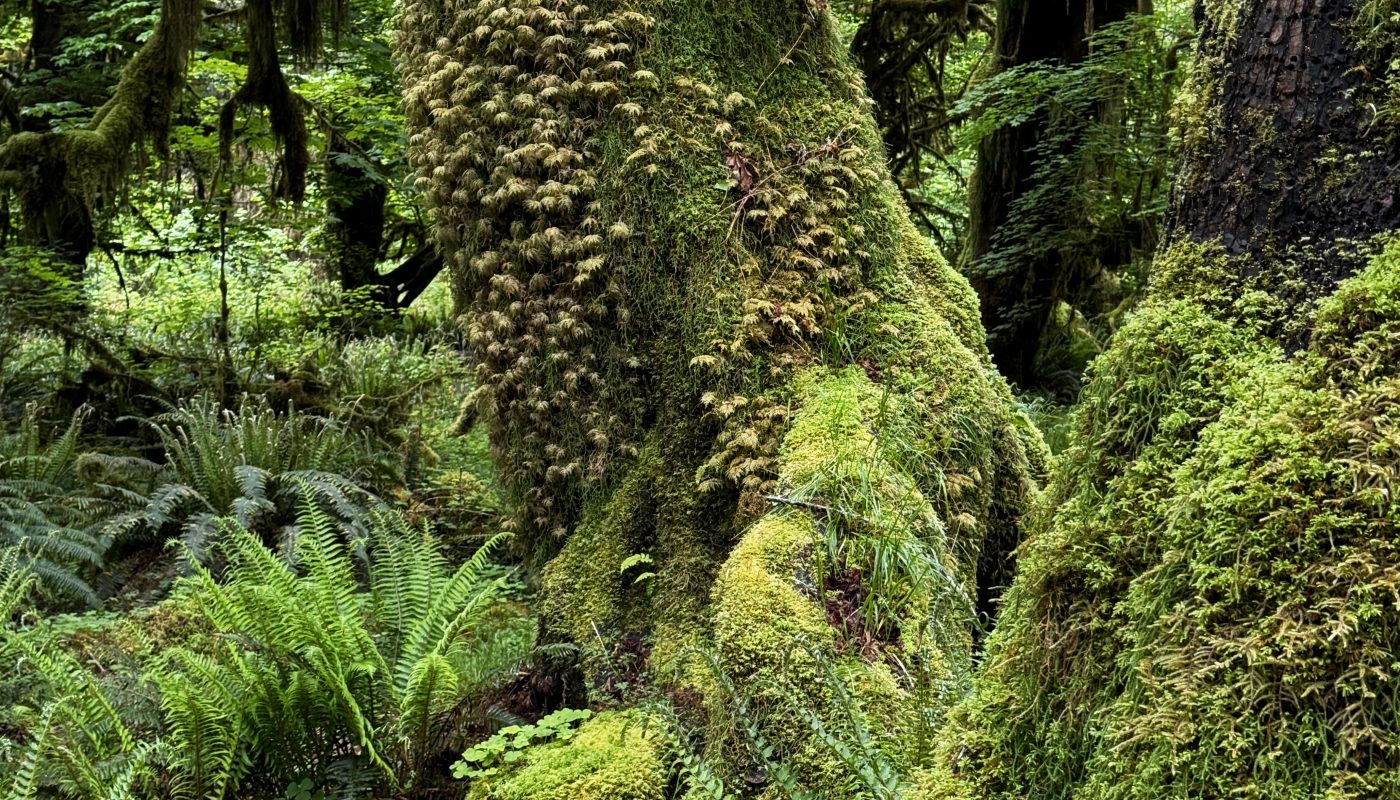
Moss-covered trees
As I wandered through the forest, I stumbled upon a sight that left me utterly enchanted – trees cloaked in a soft, emerald green blanket of moss. The gentle rustle of the moss in the breeze, the way it seemed to glow in the dappled light filtering through the leaves above, and the eerie silence that surrounded these moss-covered giants all combined to create an otherworldly atmosphere. It was as if I had stumbled into a hidden world, one that existed in tandem with our own, yet remained largely unseen. I couldn’t help but wonder – what secrets lay hidden beneath this verdant cloak, and what stories did these moss-covered trees have to tell?
The Ancient Art of Moss
Moss has been a part of our planet’s landscape for over 470 million years, with fossil records showing that it was one of the first plants to colonize the land. These tiny, non-vascular plants have evolved to thrive in a wide range of environments, from the freezing tundra to the sweltering rainforest. And yet, despite their ubiquity, moss remains a bit of an enigma – a plant that defies easy categorization, and seems to exist in a world of its own. On the trees, moss forms a symbiotic relationship with the host, providing insulation and retaining moisture, while also creating a habitat for a wide range of microorganisms and insects.
The Science Behind the Magic
So, what makes moss-covered trees so special? For starters, the moss itself is incredibly resilient – it can survive in conditions that would be hostile to most other plants, from extreme temperatures to low light levels. This is due in part to its unique physiology, which allows it to dry out and then rehydrate when water becomes available again. The trees, too, play a crucial role in the moss’s survival – providing a stable substrate, and in some cases, even secreting chemicals that help to promote the growth of the moss. As the moss grows, it forms a complex network of relationships with the tree, the surrounding environment, and the other organisms that call the forest home.
A Window into the Past
Moss-covered trees also offer a fascinating glimpse into the history of the forest. By studying the types of moss that are present, and the conditions under which they are growing, scientists can gain insights into the forest’s past climate, geology, and even the presence of human activity. For example, certain species of moss are highly sensitive to pollution, and can be used as indicators of environmental health. Others are able to thrive in areas with high levels of rainfall, and can provide clues about the forest’s hydrological history. As I stood there, surrounded by these moss-covered giants, I felt like I was holding a piece of the forest’s history in my hands – a tangible connection to the land, and to the secrets that it still holds.
As I made my way back through the forest, the memory of those moss-covered trees stayed with me, a haunting reminder of the beauty and mystery that lies just beneath the surface of our everyday world. The moss, with its soft, green tendrils, seemed to be beckoning me to return, to explore further the secrets that it holds, and to unravel the threads of the intricate web of relationships that binds the forest together. And I knew that I would be back, drawn by the allure of this hidden world, and the magic that lies within.