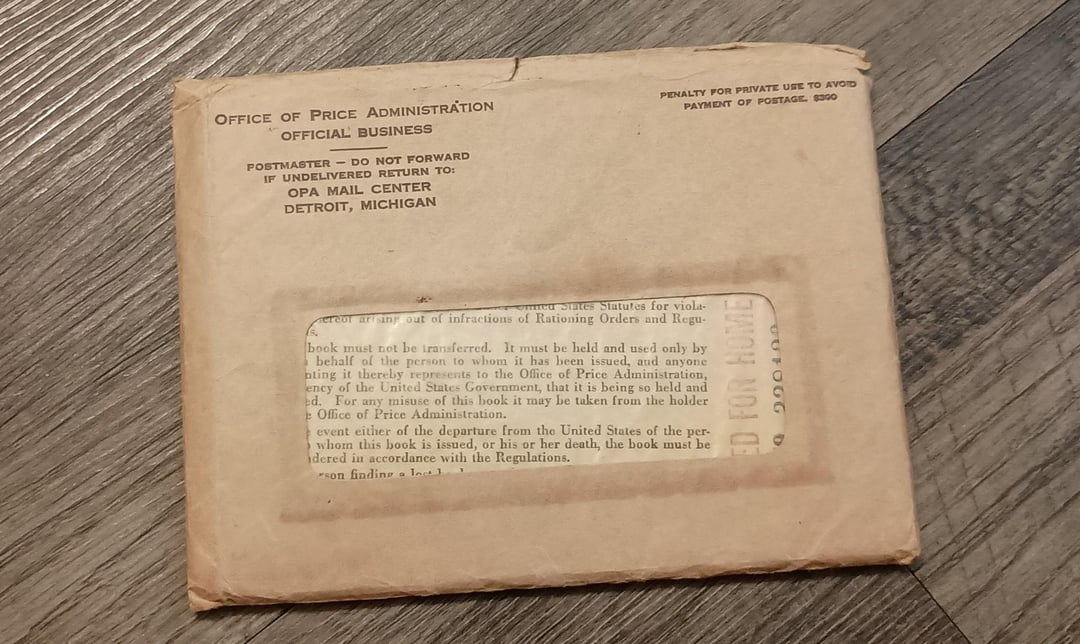
My grandparents WW2 food rations
As I rummaged through my grandparents’ attic, I stumbled upon a small, mysterious box labeled “War Rations.” My curiosity was piqued, and I couldn’t help but wonder what secrets it held. As I opened the box, I was transported back in time to the era of World War 2, when food was scarce and every meal was a testament to resilience and resourcefulness. My grandparents’ stories of living through the war had always fascinated me, but it wasn’t until I saw the actual rations they had preserved that I truly grasped the magnitude of their experiences. The faded labels, the rusty cans, and the yellowed papers all told a tale of a time when the simplest of foods became a luxury.
The Science of Rationing
During World War 2, the British government introduced a rationing system to ensure that everyone had access to a fair share of food. The science behind rationing was complex, involving careful calculations of nutritional values, food availability, and population needs. My grandparents’ rations included staples like bread, potatoes, and vegetables, which were rich in carbohydrates and fiber. They also received small amounts of protein-rich foods like meat, eggs, and dairy products, which were carefully allocated to ensure that everyone got a fair share. The rations were designed to provide a minimum of 2,800 calories per person per day, which was considered sufficient to sustain energy levels and support overall health.
A Taste of Nostalgia
As I delved deeper into the box, I found a treasure trove of nostalgic treats that my grandparents had lovingly preserved. There were packets of dried fruit, tins of Spam, and even a few precious bars of chocolate. Each item told a story of its own, of a time when such luxuries were rare and cherished. My grandparents would often talk about the “make-do” mentality that defined their generation, where every scrap of food was valued and nothing was wasted. They would reminisce about the creative ways they found to cook and prepare meals, using ingredients like nettle soup, dandelion greens, and even bread made from potato flour. The rations may have been meager, but they sparked a sense of community and resourcefulness that has been lost in modern times.
A Legacy of Resilience
As I closed the box and returned it to the attic, I felt a deep sense of appreciation for my grandparents’ generation. Their stories of wartime rationing were not just about food; they were about resilience, adaptability, and the human spirit. In an era of plenty, it’s easy to take food for granted, but my grandparents’ experiences reminded me of the value of every meal and the importance of never wasting a scrap. As I looked at the old rations, now faded and worn, I knew that I would carry their legacy with me, and that their stories would continue to inspire me to appreciate the simple things in life.
As I reflect on my grandparents’ WW2 food rations, I am reminded of the power of food to evoke emotions, spark memories, and connect us to our past. The humble rations that sustained my grandparents through the war years may seem like a relic of a bygone era, but they hold a profound significance that transcends time and generations. They remind us of the importance of gratitude, resourcefulness, and community, and inspire us to approach food with a sense of wonder, appreciation, and respect.