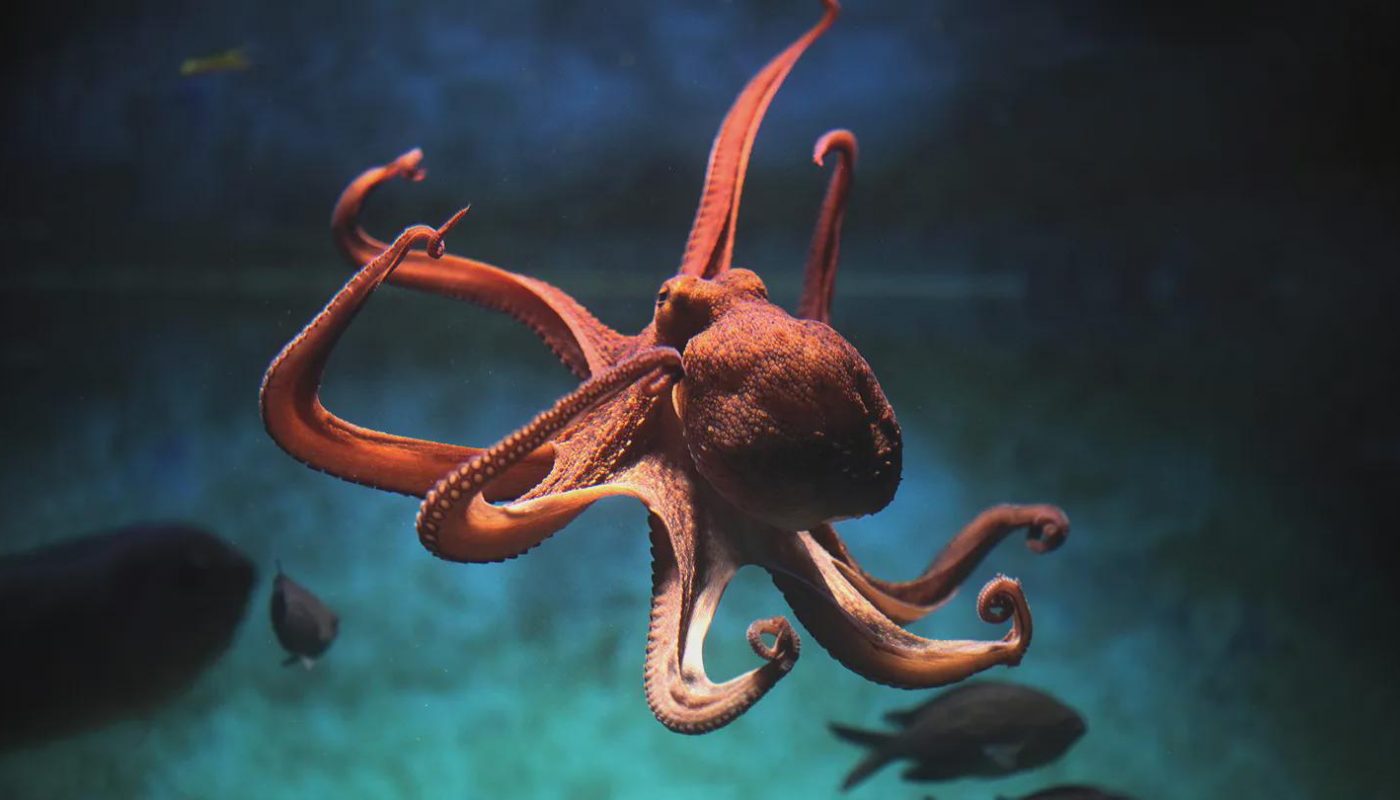
Octopuses can rapidly edit their own RNA in response to colder temperatures, changing the proteins their nervous system produces within hours.
Imagine being able to rewrite your own genetic code to adapt to changing environments – sounds like science fiction, right? Well, it turns out that octopuses have been doing just that, and it’s a fascinating story that’s left scientists amazed. Researchers have discovered that octopuses can rapidly edit their own RNA in response to colder temperatures, changing the proteins their nervous system produces within hours. This incredible ability allows them to thrive in a wide range of aquatic environments, from the freezing waters of the Antarctic to the warm waters of the tropics.
The Science Behind RNA Editing
So, how do octopuses manage to pull off this genetic trick? It all comes down to a process called RNA editing, which allows them to modify the genetic instructions contained in their RNA molecules. This process is made possible by a special type of enzyme that can rewrite the RNA code, effectively changing the blueprint for the proteins that are produced. In the case of octopuses, this means that they can alter the production of proteins in their nervous system to better suit the demands of a colder environment. For example, they may produce more of a particular protein that helps to maintain nerve function in cold temperatures, allowing them to stay agile and responsive even in icy waters.
Adapting to a Changing World
This ability to edit their own RNA has significant implications for our understanding of how octopuses adapt to their environments. In a world where climate change is causing ocean temperatures to rise and fall in unpredictable ways, the ability to rapidly respond to changing conditions is a major advantage. Octopuses are already notoriously clever and resilient creatures, and this latest discovery only adds to their reputation as one of the most fascinating and adaptable animals on the planet. By studying the genetic mechanisms that underlie this ability, scientists hope to gain a deeper understanding of how other animals might be able to adapt to changing environments, and perhaps even develop new strategies for mitigating the impacts of climate change.
A Window into Evolutionary History
The discovery of RNA editing in octopuses also offers a fascinating glimpse into the evolutionary history of these creatures. It’s likely that this ability evolved as a response to the challenges of living in a cold and unpredictable environment, where the ability to rapidly adapt to changing conditions would be a major selective advantage. By studying the genetics and evolution of RNA editing in octopuses, scientists can gain a better understanding of how this ability arose and how it has been shaped by the demands of their environment. This, in turn, can provide valuable insights into the broader history of life on Earth and the ways in which animals have evolved to thrive in a wide range of environments.
As we continue to unravel the secrets of the octopus’s remarkable ability to edit its own RNA, we’re reminded of just how much we still have to learn from the natural world. These incredible creatures have been thriving on our planet for millions of years, and yet they still have the power to surprise and amaze us with their cleverness and resilience. As we face the challenges of a changing world, we could do worse than to take a page from the octopus’s playbook and learn to adapt and evolve in response to our environment. Who knows what other secrets these fascinating creatures might hold, and what we might learn from them about the art of survival and thrival in an uncertain world?