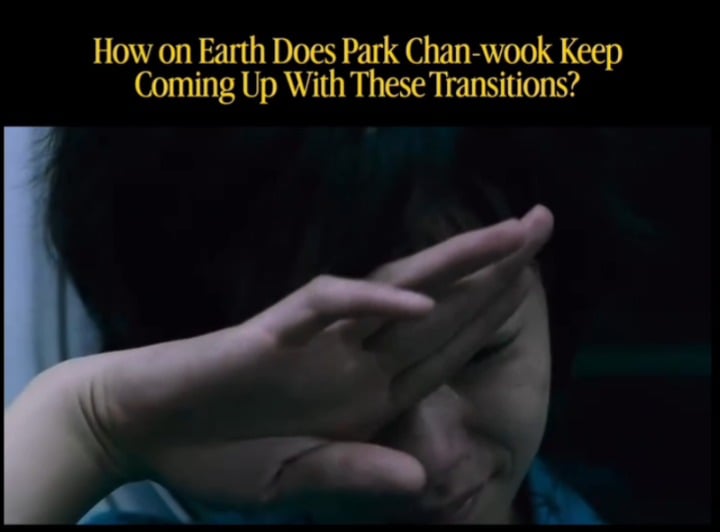
Park Chan-wook makes some of the most oddly satisfying transitions in his films
Park Chan-wook is a master filmmaker known for his visually stunning and thought-provoking movies, but one aspect of his craft that often goes unappreciated is his genius for crafting transitions. You know, those fleeting moments that bridge one scene to the next, often overlooked but incredibly important in setting the tone and pace of a film. Park’s transitions are not just seamless, they’re also oddly satisfying, like a perfectly placed puzzle piece that makes you feel like you’re in the hands of a master storyteller. From the swooning romance of The Handmaiden to the dark humor of Oldboy, Park’s films are full of these clever transitions that add depth, complexity, and emotional resonance to his stories.
The Art of Transition
Park’s use of transitions is not just about getting from point A to point B, it’s about creating a mood, a atmosphere, a sense of tension or release. He often employs unconventional techniques, such as using a character’s movement or action to transition from one scene to the next, or utilizing the environment to create a sense of continuity. For example, in his film Thirst, Park uses a series of clever transitions to convey the protagonist’s growing sense of unease and disorientation. As the character navigates the dark and foreboding landscape, the transitions become increasingly disjointed and surreal, perfectly capturing the sense of confusion and disorientation that defines the film’s tone.
A Master of Misdirection
Park is also a master of misdirection, often using transitions to distract the viewer or create a sense of surprise. In his film Stoker, for example, he uses a series of quick cuts and clever transitions to create a sense of unease and tension, keeping the viewer on the edge of their seat. At the same time, he’s also using these transitions to reveal subtle clues about the characters and their motivations, adding depth and complexity to the story. It’s a delicate balancing act, but one that Park pulls off with ease, creating a sense of wonder and curiosity that keeps viewers engaged and invested in the story.
The Power of Montage
Park’s use of montage is another key aspect of his transitional style, allowing him to convey complex emotions and ideas in a condensed and powerful way. In his film The Handmaiden, for example, he uses a beautiful and poignant montage sequence to capture the blossoming romance between the two female leads. The sequence is a masterclass in editing, using a combination of music, imagery, and clever transitions to create a sense of intimacy and connection between the characters. It’s a powerful reminder of the impact that film can have on our emotions, and the ways in which a skilled filmmaker like Park can use transitions to create a sense of wonder and enchantment.
As you watch Park Chan-wook’s films, pay attention to the transitions, those fleeting moments that bridge one scene to the next. You might be surprised at just how much they add to the overall impact of the film, creating a sense of wonder, curiosity, and emotional resonance that stays with you long after the credits roll. With his unique blend of style, substance, and technical wizardry, Park Chan-wook is a true master of the cinematic arts, and his transitions are just one aspect of his craft that makes his films so endlessly fascinating and rewarding to watch.