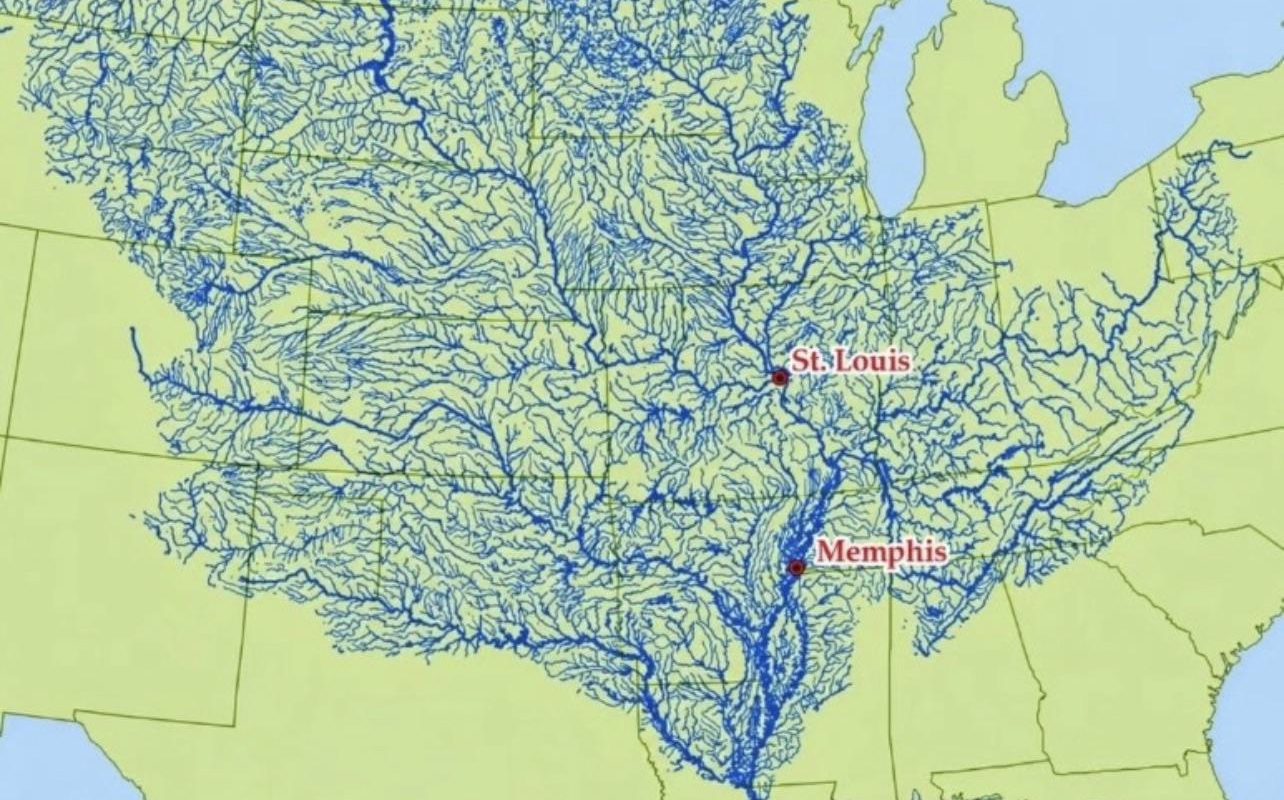
The Mississippi River
The Mississippi River is one of the most iconic and awe-inspiring waterways in the United States, stretching over 2,300 miles from its source in Lake Itasca in Minnesota to the Gulf of Mexico. As I sit here imagining the river’s gentle flow and the vibrant cities that line its banks, I am reminded of the incredible history and significance that this river holds. From its humble beginnings as a narrow stream in the north to its grandeur as a mighty river in the south, the Mississippi has played a vital role in shaping the country’s landscape, culture, and economy. As we delve into the fascinating world of the Mississippi River, we’ll explore its intriguing backstory, the science behind its flow, and the impact it has on the environment and human societies.
Geological History
The Mississippi River has a rich geological history that spans millions of years. The river’s course has changed dramatically over time, shaped by the forces of erosion, deposition, and tectonic activity. During the last ice age, the river flowed through a different channel, and its current path was carved out by the melting of glaciers and the resulting changes in sea levels. The river’s unique shape and flow are also influenced by the underlying geology of the region, with the river flowing through a variety of rock formations, including limestone, sandstone, and shale. As the river winds its way through the heart of America, it has created a diverse range of landscapes, from the fertile floodplains of the Mississippi Delta to the towering bluffs of the Upper Mississippi.
Ecosystem and Biodiversity
The Mississippi River is home to an incredible array of plant and animal species, many of which are found nowhere else on Earth. The river’s floodplains and wetlands provide a habitat for countless birds, fish, and mammals, while its waters support a thriving community of aquatic life. The river’s ecosystem is also closely tied to the surrounding landscape, with the river’s flow and sediment load influencing the growth and distribution of plants and animals throughout the region. From the majestic bald eagles that soar overhead to the tiny microorganisms that thrive in the river’s depths, the Mississippi River is a vibrant and dynamic ecosystem that supports an astonishing array of biodiversity.
Cultural Significance
The Mississippi River has also played a profound role in shaping American culture and history. From the early European explorers who first navigated its waters to the modern-day cities and towns that line its banks, the river has been a source of inspiration, commerce, and community for generations of Americans. The river’s influence can be seen in the music, literature, and art of the region, from the blues and jazz of the Mississippi Delta to the writings of Mark Twain and the paintings of Thomas Hart Benton. As we reflect on the Mississippi River’s enduring legacy, we are reminded of the power of this incredible waterway to shape our lives, our communities, and our very sense of identity.
As I conclude my journey along the mighty Mississippi River, I am left with a sense of awe and wonder at the incredible history, science, and culture that surrounds this iconic waterway. From its humble beginnings to its grandeur as a symbol of American identity, the Mississippi River is a true natural treasure that continues to inspire and captivate us to this day. Whether you’re a scientist, a historian, or simply someone who appreciates the beauty of the natural world, the Mississippi River is a destination that is sure to leave you in awe of its majesty and significance.