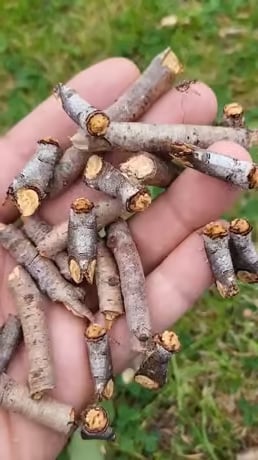
Twigs
I still remember the countless hours I spent as a child, wandering through the woods, collecting an assortment of twigs and leaves to create the perfect fairy garden. Those delicate, brittle branches seemed to hold a magic of their own, and I was captivated by the way they could be woven together to form intricate little homes and furniture. But as I grew older, my fascination with twigs never really faded – in fact, it only deepened as I began to learn more about the incredible world of science and history that surrounds these humble little sticks. From the way they’re formed to the vital role they play in our ecosystem, twigs are so much more than just a pretty face – and it’s time we gave them the appreciation they deserve.
The Secret Life of Twigs
So, what exactly is a twig? At its most basic, a twig is simply a small branch that grows off a larger tree or shrub. But the process by which twigs are formed is actually pretty fascinating. You see, when a tree grows, it produces new wood in a layer just beneath the bark, and this new wood is made up of cells that are filled with water and nutrients. As the tree continues to grow, the cells in the new wood begin to die and become compacted, forming a hard, woody tissue that provides structural support for the tree. Twigs are essentially the youngest, most delicate parts of this woody tissue – and they play a crucial role in the tree’s ability to photosynthesize and grow.
Twigs in the Ecosystem
But twigs aren’t just important for the trees they grow on – they also play a vital role in the ecosystem as a whole. For one thing, twigs provide a food source for all sorts of animals, from insects and birds to small mammals and even larger wildlife. They’re also an important part of the nutrient cycle, as they fall to the ground and decompose, providing essential nutrients for the soil. And let’s not forget about the role twigs play in shaping our landscape – they help to stabilize soil, prevent erosion, and even influence the flow of water in streams and rivers. It’s amazing to think that something as small and seemingly insignificant as a twig could have such a profound impact on the world around us.
Twigs in Human Culture
Of course, twigs have also played a significant role in human culture throughout history. From the intricate twig furniture of my childhood fairy gardens to the beautiful, delicate twig sculptures that are created by artists around the world, twigs have been used in all sorts of creative and innovative ways. They’ve even been used as a form of currency in some cultures, and have played a role in all sorts of traditional crafts and rituals. Whether we’re using them to build, to create, or simply to appreciate their beauty, twigs are a reminder of the incredible diversity and complexity of the natural world – and the many ways in which we can connect with and appreciate it.
As I look back on my childhood love of twigs, I’m struck by the way that something so small and seemingly insignificant can hold such a wealth of fascination and wonder. Whether we’re exploring the science behind their formation, their role in the ecosystem, or their place in human culture, twigs are a reminder that even the humblest of things can hold a deep and abiding beauty – and that sometimes, it’s the smallest things that can bring us the greatest joy.