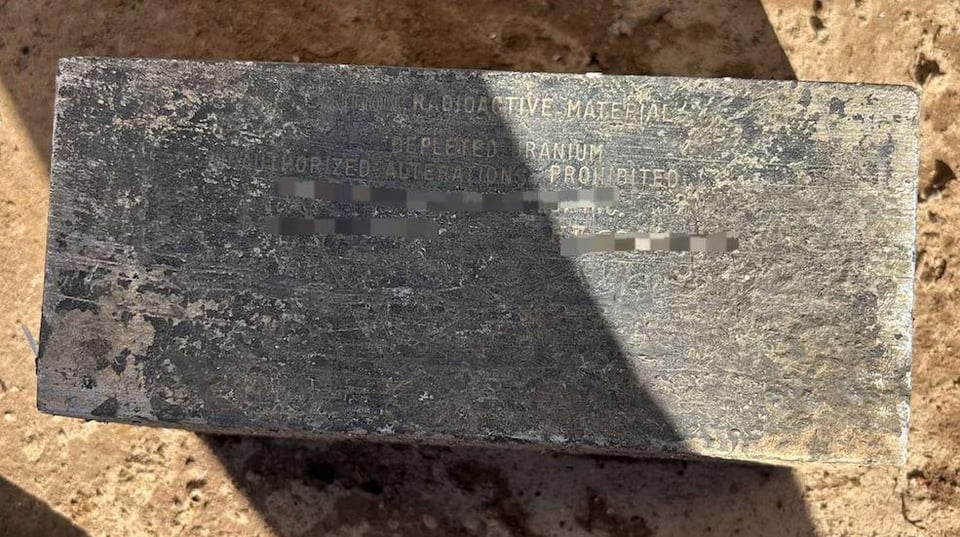
Depleted uranium found yesterday in a recycling plant in Argentina
I just stumbled upon a news story that left me speechless – a recycling plant in Argentina discovered a significant amount of depleted uranium in their facility yesterday. I couldn’t help but wonder, how on earth did this highly toxic and radioactive material end up in a recycling plant? As I dug deeper, I found the story to be more fascinating and complex than I initially thought. It turns out that depleted uranium, a byproduct of the uranium enrichment process, has been used in various applications, including military equipment, medical treatments, and even in some industrial processes. But what’s really alarming is how easily it can be mishandled and end up in the wrong places.
The Science Behind Depleted Uranium
Depleted uranium is a dense, heavy metal that’s created when natural uranium is enriched to increase its concentration of the isotope U-235. The resulting depleted uranium, which contains mostly U-238, is still radioactive, but much less so than enriched uranium. However, it’s still highly toxic and can cause serious health problems if ingested or inhaled. The biggest concern with depleted uranium is its potential to contaminate soil, water, and air, making it a serious environmental hazard. In the case of the Argentine recycling plant, it’s unclear how the depleted uranium ended up there, but it’s likely that it was mixed in with other scrap metal and went undetected until now.
A Global Problem
The discovery of depleted uranium in a recycling plant is not an isolated incident. There have been several cases around the world where this toxic material has been found in unexpected places, including landfills, construction sites, and even in consumer products. The problem is that depleted uranium is often not properly labeled or tracked, making it difficult to keep tabs on where it ends up. This lack of regulation and oversight has led to a global problem, with depleted uranium turning up in countries all over the world. It’s a sobering reminder of the need for stricter controls and more effective waste management practices.
What’s Next?
Now that the depleted uranium has been discovered, the Argentine authorities are scrambling to contain the situation and prevent any further contamination. The recycling plant has been shut down, and workers are being tested for radiation exposure. But the bigger question is, how can we prevent this kind of incident from happening again in the future? It’s clear that we need to take a closer look at our waste management practices and make sure that we’re doing everything we can to prevent the mishandling of toxic materials like depleted uranium. As I finish writing this, I’m left with a sense of unease, wondering how many other hidden dangers are lurking in our environment, waiting to be discovered.
As I reflect on this shocking discovery, I’m reminded of the importance of being vigilant and proactive when it comes to protecting our environment and our health. The story of the depleted uranium in the Argentine recycling plant is a wake-up call, urging us to take a closer look at the systems and practices that are in place to prevent these kinds of incidents. It’s a complex and challenging issue, but by working together and staying informed, we can create a safer and more sustainable future for ourselves and for generations to come.